RC car parts, tools, systems, and safety
 ← Raceway home
LANE2LANE RACEWAY PRESENTS / AGES 12–17
DRIVEN
MINDS.
STEM + SEL RC CAR PROGRAM
Where mechanics, motorsports, and youth development meet the track.
Bring Driven Minds to your youth →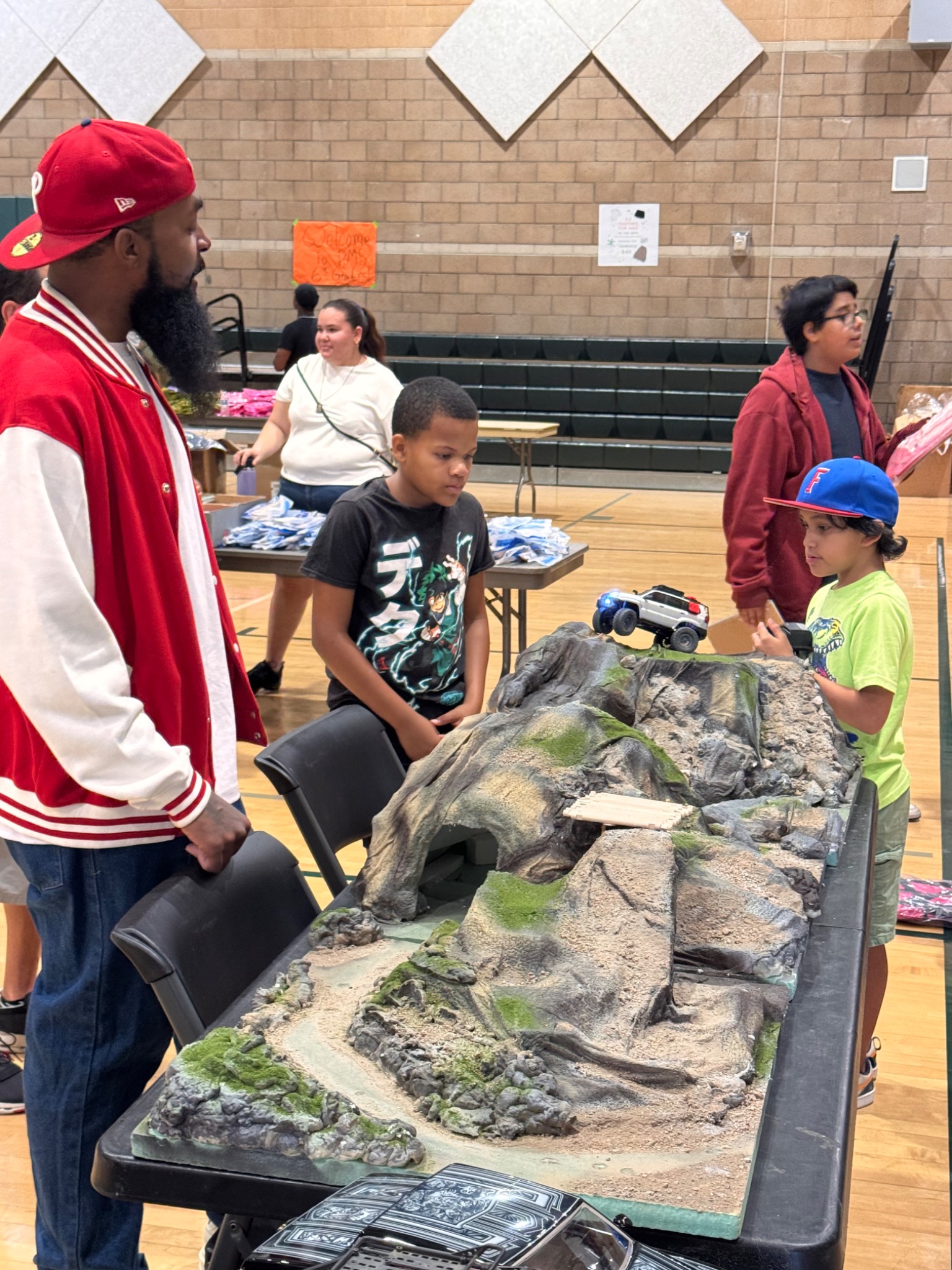
BUILD IT ◆ TEST IT ◆ RACE IT ◆ LEARN FROM IT ◆ DRIVE FORWARD ◆
THE PROGRAM / 01
THE CAR IS
THE CLASSROOM.
Driven Minds is a hands-on youth development program powered by Lane2Lane Raceway.
Designed for middle and high school students ages 12–17, the program uses remote-control cars, motorsports, and racing to make STEM education exciting, practical, and accessible.
Under the guidance of Mike, Lane2Lane Raceway’s Owner, CEO, and Driven Minds RC specialist, participants learn how RC cars are built, how mechanical and electrical systems work, and how small adjustments change speed, handling, balance, and performance.
This is more than racing. Youth explore, experiment, work with their hands, solve real problems, and discover what they are capable of building.
WHAT YOUTH WILL LEARN / 02
WATCHING
ISN'T ENOUGH.
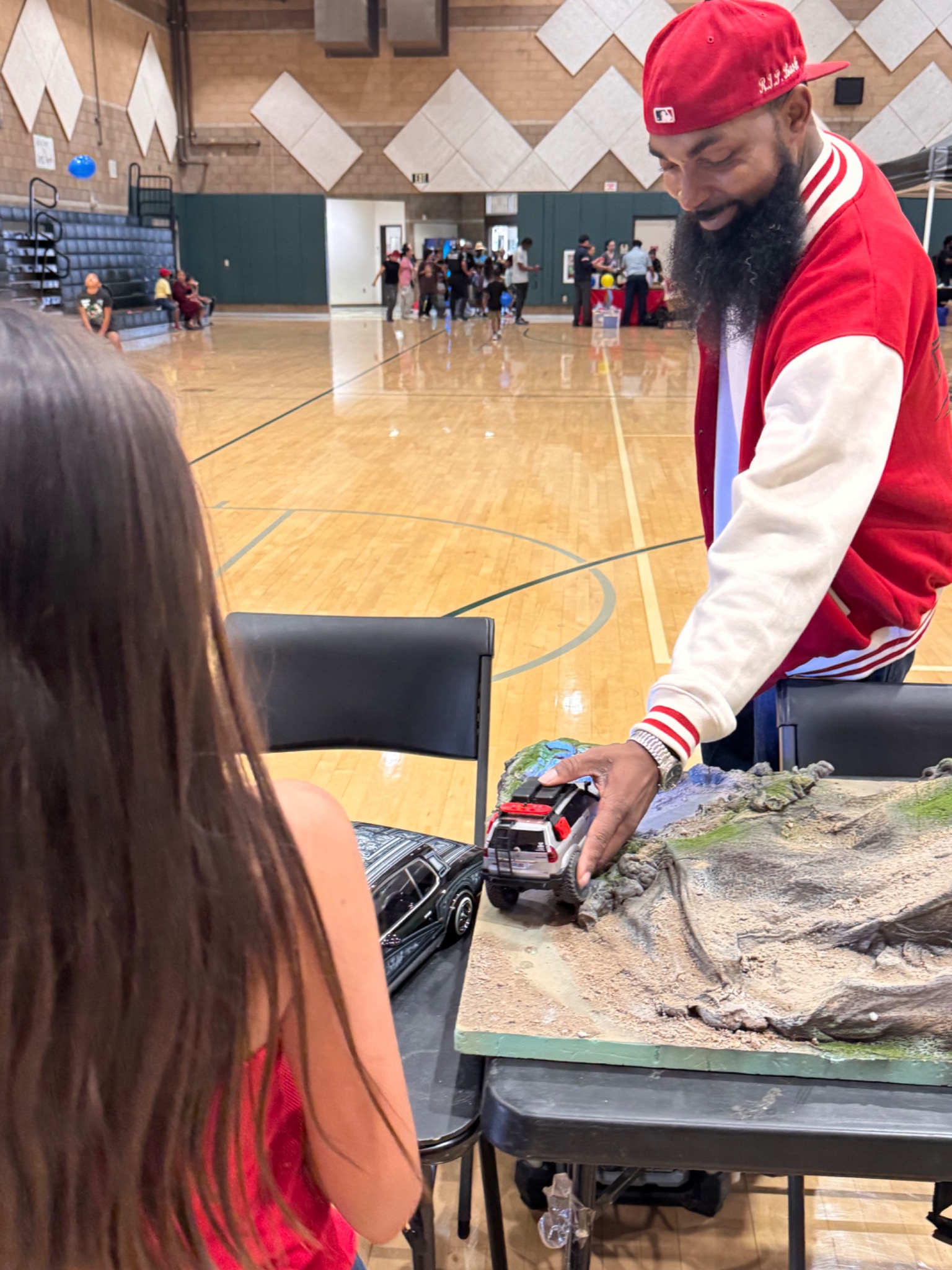
Participants build, adjust, test, race, evaluate the results—and try again.
Basic mechanics and vehicle maintenance
Engineering and design principles
Electricity, batteries, motors, and power
Motion, speed, force, friction, and traction
Vehicle setup, suspension, tires, steering, and balance
Track testing, troubleshooting, and performance adjustments
Racing fundamentals, sportsmanship, and responsible competition
Creative thinking and real-world problem-solving
PROGRAM FORMATS / 03
SINGLE-DAY
EXPERIENCE
An energetic introduction to RC motorsports that may include fundamentals, hands-on building or modification, track testing, tuning, time trials, and a closing race challenge.
IDEAL FOR
- Schools and after-school programs
- Youth organizations and nonprofits
- Community events and camps
- Private youth groups
- STEM celebrations and enrichment days
UP TO 12
WEEKS
Meeting three days per week, the extended program moves from introductory RC concepts into mechanics, engineering, maintenance, testing, and racing.
Youth complete team challenges, document results, identify problems, develop solutions, and improve vehicles through repeated track testing.
Participants gain practical STEM knowledge and explore interests connected to mechanics, engineering, design, automotive technology, and motorsports.
MEET THE SPECIALIST / 04
MIKE +
THE TEAM.
Real-world RC experience, brought directly to the youth.
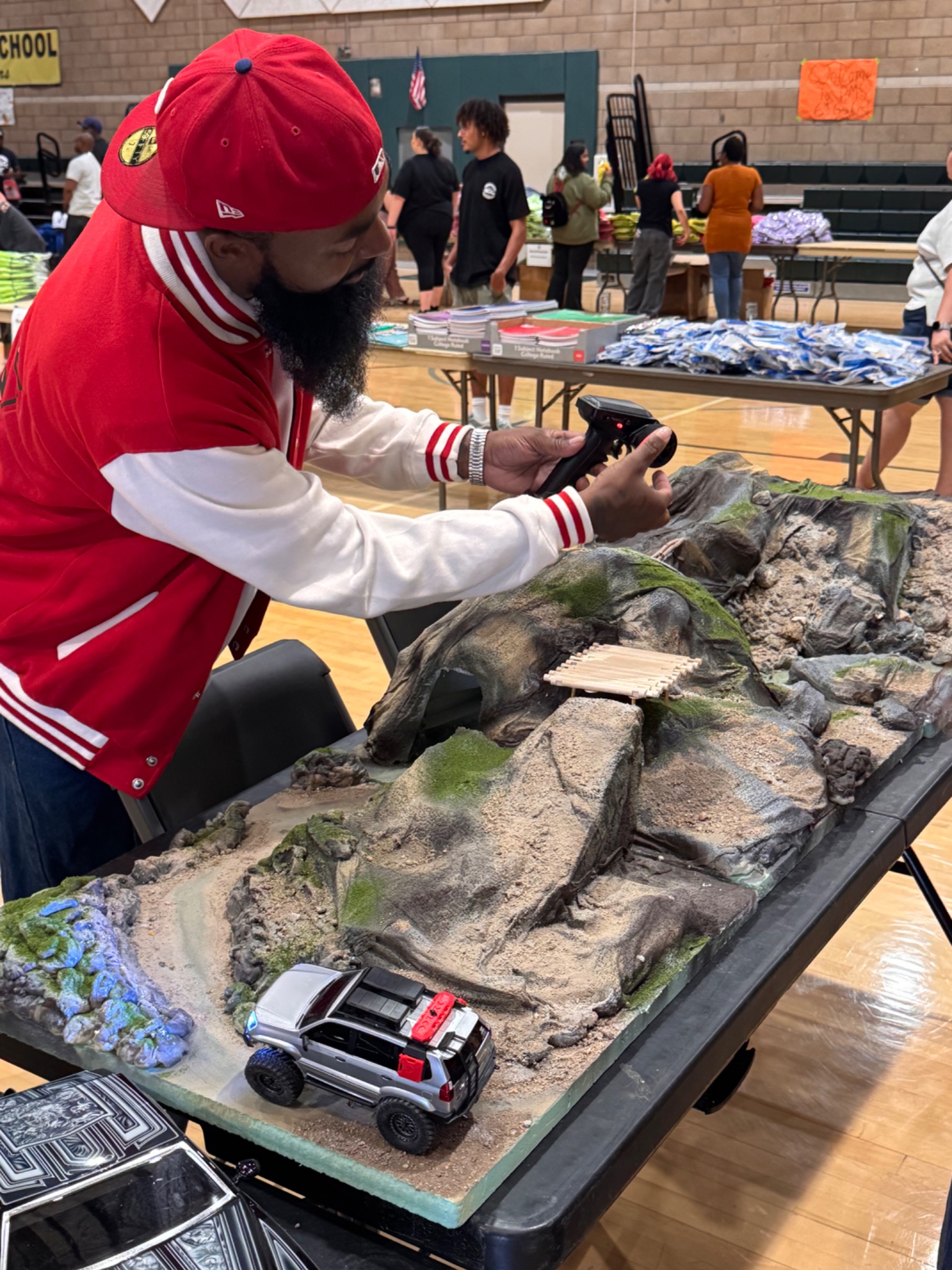
As Owner and CEO of Lane2Lane Raceway and lead specialist for Driven Minds, Mike introduces participants to RC mechanics, vehicle setup, track performance, maintenance, and racing through patient, hands-on instruction.
Mike and his team of specialists make technical information approachable while encouraging young people to ask questions, think independently, and take pride in what they create.
DEEPER THAN THE TRACK / 05
STEM MEETS
REAL LIFE.
Click each lane to explore how Driven Minds reconnects youth through STEM, SEL, and active participation.
01STEM Meets Social-Emotional Learning
Every challenge on the track creates an opportunity for personal growth.
+
STEM Meets Social-Emotional Learning
Every challenge on the track creates an opportunity for personal growth.
Driven Minds combines STEM education with social-emotional learning because young people need more than information—they need opportunities to apply what they know, work through frustration, communicate with others, and recognize their own abilities.
This is especially important for youth who may feel disconnected from school, their community, traditional learning environments, or a clear sense of what they want for their future. Some young people struggle in conventional classrooms but become fully engaged when learning is active, practical, and connected to something they genuinely enjoy.
RC cars create that connection. Participants immediately see how science, technology, engineering, and mathematics affect speed, motion, traction, balance, control, and performance. Instead of only reading about a concept, they experience it with their own hands.
02Reconnecting Youth Through Hands-On STEM
Build. Test. Troubleshoot. Race. Adjust. Repeat.
+
Reconnecting Youth Through Hands-On STEM
Build. Test. Troubleshoot. Race. Adjust. Repeat.
When a car does not turn correctly, loses traction, or fails to perform as expected, youth investigate: What happened? What part may be causing it? What can we adjust? How will we know the change worked?
This process teaches critical thinking instead of immediate surrender. It shows that STEM is present in the cars they enjoy, the technology they use, and the decisions they make.
Participants are introduced to interests connected to engineering, mechanics, automotive technology, electronics, design, robotics, construction, skilled trades, and motorsports.
03Building Patience and Concentration
Quality work requires attention, care, and time.
+
Building Patience and Concentration
Quality work requires attention, care, and time.
RC building, maintenance, and racing require focus. Participants listen to instructions, observe small details, handle equipment carefully, and complete steps in the correct order.
- Remain focused on a task
- Follow multistep instructions
- Pay attention to detail
- Work carefully with tools
- Manage the urge to rush
- Stay present until a task is complete
The goal is to help youth experience what sustained concentration can produce.
04Communication and Teamwork
Every team member contributes something valuable.
+
Communication and Teamwork
Every team member contributes something valuable.
Youth work together to inspect vehicles, identify problems, prepare for races, and complete team challenges. They learn to explain what they see, listen to another idea, ask for help, offer assistance, and disagree respectfully.
- Active listening and clear questions
- Sharing ideas respectfully
- Giving and receiving feedback
- Dividing responsibilities
- Supporting teammates
- Solving problems together
05Confidence and Responsible Decision-Making
Confidence grows when youth are trusted with meaningful responsibility.
+
Confidence and Responsible Decision-Making
Confidence grows when youth are trusted with meaningful responsibility.
Participants handle equipment, make adjustments, test ideas, and see the results of their decisions. They are not passive observers. They are expected to participate, think, and contribute.
Changes to tires, suspension, steering, batteries, or setup can improve performance—or create a new challenge. Youth consider their options, make an informed choice, and take responsibility for the result.
06Resilience Through Trial and Error
Things will not always work the first time—and that is part of the program.
+
Resilience Through Trial and Error
Things will not always work the first time—and that is part of the program.
A car may not start. A modification may not work. A vehicle may lose control during a race. With guidance, youth learn to manage frustration, inspect the problem, adjust, and try again.
- A mistake is information
- Frustration can be managed
- Asking for help is part of learning
- Improvement requires practice
- A result does not define ability
Rebuilding a car can become a lesson in rebuilding confidence.
07Respect, Accountability, and Good Sportsmanship
Character shows in how we handle success and disappointment.
+
Respect, Accountability, and Good Sportsmanship
Character shows in how we handle success and disappointment.
Youth are expected to respect the space, equipment, instructors, and one another. They follow safety guidelines, care for shared materials, arrive ready, and complete assigned responsibilities.
Racing teaches participants to compete without disrespect, accept results with maturity, congratulate peers, and return to the work area ready to improve.
08Leadership and Positive Identity
Leadership is being dependable, prepared, respectful, and willing to contribute.
+
Leadership and Positive Identity
Leadership is being dependable, prepared, respectful, and willing to contribute.
Leadership may look like helping a teammate, demonstrating a skill, organizing equipment, encouraging someone who is frustrated, or taking responsibility for a group assignment.
For youth who feel disconnected or overlooked, these opportunities create identity and belonging. They see themselves as builders, problem-solvers, mechanics, racers, teammates, and future professionals.
09A Fully Engaged, Cellphone-Free Environment
Look up. Tune in. Use your hands. Become part of the experience.
+
A Fully Engaged, Cellphone-Free Environment
Look up. Tune in. Use your hands. Become part of the experience.
During instruction, building, testing, and team challenges, youth disconnect from cellphones and personal devices. Phones are placed in a designated secure area or stored according to the host organization’s policy. They may be accessed during approved breaks or for emergencies.
This is not punishment. RC cars require participants to use tools, observe moving vehicles, listen for instructions, monitor track conditions, and remain aware of others.
- Be mentally and physically present
- Work safely with tools, batteries, and equipment
- Participate in real conversations
- Practice sustained concentration
- Become comfortable without constant digital stimulation
- Rediscover curiosity, play, and face-to-face connection
10More Than Cars
RC motorsports is the vehicle. Youth development is the destination.
+
More Than Cars
RC motorsports is the vehicle. Youth development is the destination.
Participants leave with more than an understanding of RC cars. They gain experience with concentration, communication, patience, accountability, decision-making, resilience, leadership, and teamwork.
When youth build the car, test the limits, make adjustments, and return to the track, they are also learning how to keep moving forward in their own lives.
BRING DRIVEN MINDS TO YOUR YOUTH
BUILD IT. TEST IT.
RACE IT. DRIVE FORWARD.
Available for single-day experiences and customized programs lasting up to 12 weeks, three days per week—for schools, nonprofits, community organizations, youth groups, camps, and educational partners.
Start a program conversation →